
Finland and Its People
- Publication
- The Geographical Journal
- Volume
- 15
- Issue
- 2
- Pages
- 145-149
Finland · Version 1
1899–2002View whole-article summary
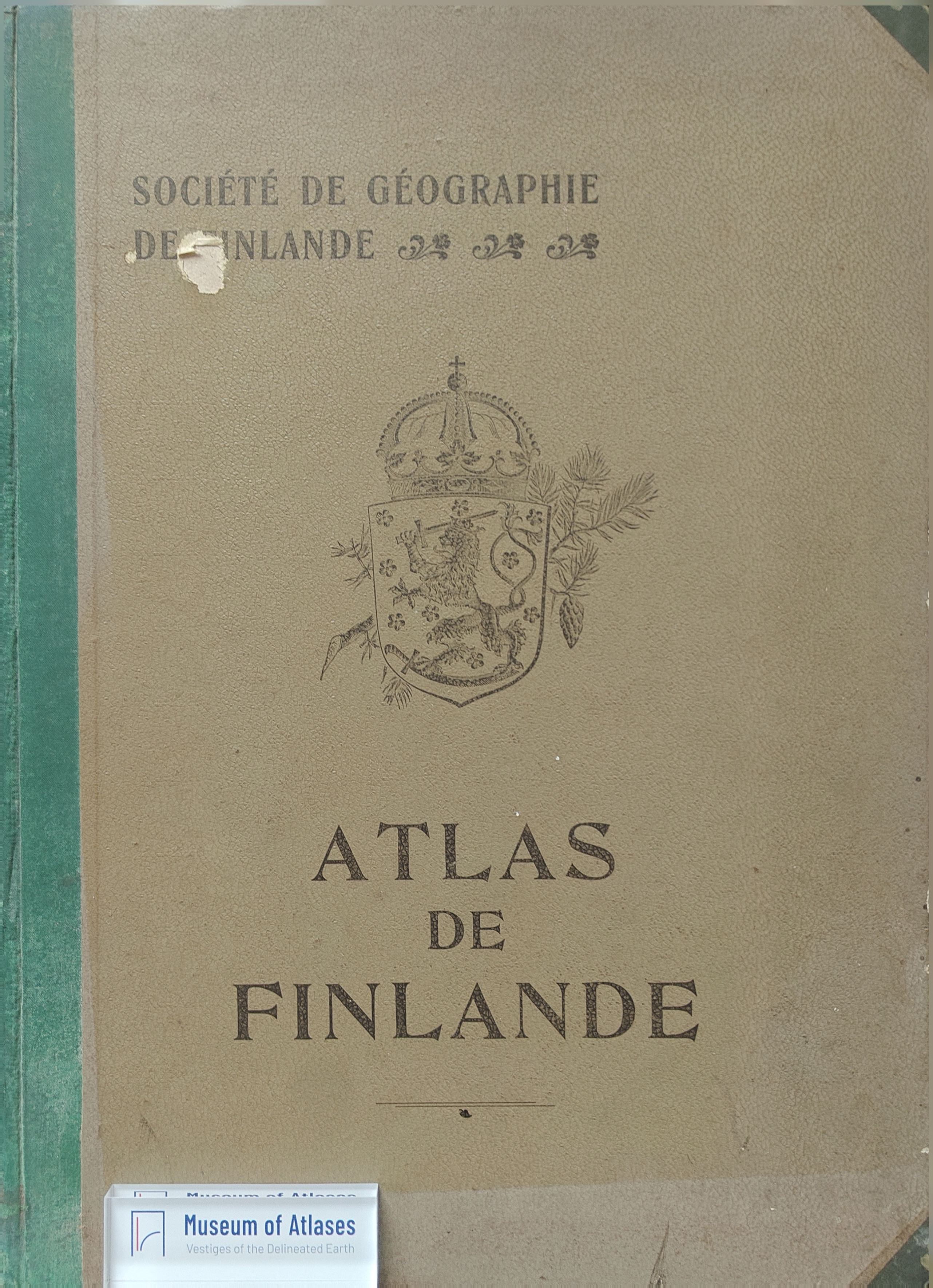
The geographical features and population of Finland are comprehensively presented in the country's remarkable atlas and accompanying text. This review examines the Atlas of Finland and its text volume, published by the Geographical Society of Finland in Finnish, Swedish, and French editions. The atlas covers diverse aspects including geology, climate, hydrology, vegetation, population, and economic activities. Finland's terrain is based on ancient rocks, significantly shaped by glacial action, with lakes and rivers covering over 11% of its surface. Despite the cold climate, it is milder than typical for the latitude due to maritime influences. Forests cover 47% of the country, representing a vital natural resource. The population grew from 420,000 in 1750 to 2,380,000 in 1890, predominantly Finnish-speaking and engaged in agriculture. The Finnish people, through meticulous geographical surveys, have gained thorough knowledge of their country's resources and actively utilize water power to compensate for the lack of coal. The article concludes by noting the environmental similarity between Finland and South-Western Ontario, Canada, suggesting that Finnish emigrants would adapt well there.
Comments
Loading...
0/2000